
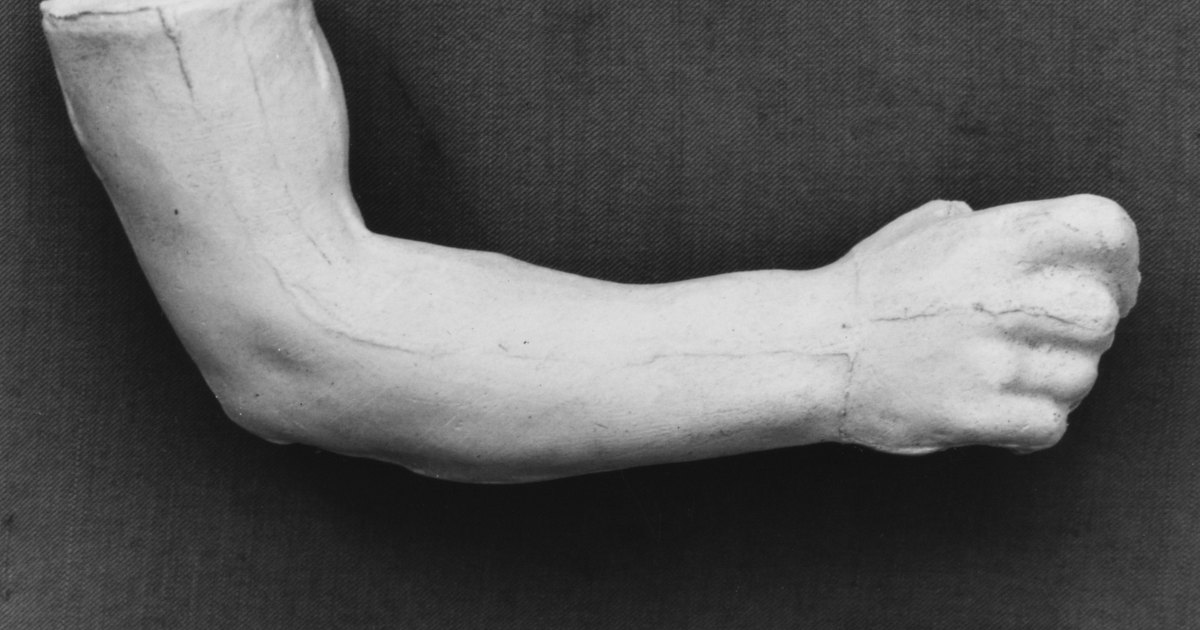
What tennis elbow feels like
Tennis elbow is a sore, tender spot on the outside of the elbow. It hurts when you grip. Many of my patients in Abu Dhabi notice it first with small things. Lifting a kettle. Turning a key. Shaking hands. Carrying a bag of shopping. The pain can spread down into the forearm, and the arm may feel weak, because gripping hurts.
Most people I see have never played tennis. That surprises them. The name is old, and it sticks, but the problem is far more common in people who work with their hands.
Why it happens
The muscles that lift your wrist and fingers all join onto one small bony point on the outside of the elbow. They join by a tough band called a tendon. When that tendon is used hard, over and over, tiny parts of it get worn and sore. The body tries to mend it, and while that is going on, the spot stays tender.
Anything that means a lot of gripping can bring it on. Using tools. Long hours typing or using a mouse. Lifting at work. Carrying young children. It often starts slowly, with no single injury you can point to, which is why people put off getting it checked.
Could this be tennis elbow?
A few quick questions about your elbow. This is only to help you decide whether to get it checked. It is not a diagnosis.
The questions in this self-check
- Is there a sore, tender spot on the outside of your elbow?
- No
- Sometimes
- Yes, most days
- Does it hurt more when you grip something, such as a kettle, a bag, or a door handle?
- No
- Sometimes
- Often
- Does the pain spread down into your forearm?
- No
- Yes
- Do you do a lot of gripping, lifting, or hand work at home or at your job?
- No
- Some
- A lot
- Has your grip felt weaker, or have you been dropping things?
- No
- Sometimes
- Often
- Has the pain been there for more than a few months, or is it waking you at night?
- No
- Yes
If your symptoms carry on or get worse, please see a doctor.
What helps
The good news is that most tennis elbow settles down. The NHS says it usually gets better with rest, though it can sometimes last a year or more. That range is wide, and it is why I like to see people rather than leave them guessing.
Resting the arm from whatever brings the pain on is the first step. Simple painkillers help. An elbow strap takes some of the pull off the sore spot. Physiotherapy matters a lot here, because the right exercises help the tendon mend and get strong again, and doing them properly makes a real difference.
If the pain is not settling, a steroid injection can calm it down. I often use an ultrasound scan to guide the needle, so the medicine goes exactly where the problem is. An ultrasound scan also lets me look at the tendon itself and see how worn it is. A small number of people need a minor operation to clean up the worn part of the tendon, but that is not where we start.
When to get it checked
Please get your elbow looked at if the pain has been there for some weeks, if it is stopping you working or sleeping, or if your grip is getting weaker. If the elbow locks, gives way, or swells up, have it seen sooner.
Seeing it early is worth it. When I look at an elbow early, we can usually start with the simple things and avoid an operation altogether.
Where I see patients in Abu Dhabi
I see patients at Burjeel Day Surgery Center, Al Reem Island, Gate Tower, near Shams Boutik, on Sundays and Mondays, and at Burjeel Day Surgery Center, Al Shahama, Deerfields Mall, on Tuesdays and Thursdays.
Dr. Mohamad Louay Jabban is a Consultant Orthopaedic and Upper Limb Surgeon with over 35 years of experience in Abu Dhabi and the United Kingdom. He holds the FRCS qualification from the Royal College of Physicians and Surgeons of Glasgow and a Diploma of Expert Musculoskeletal Ultrasound.
Sources
NHS, Tennis elbow, nhs.uk, retrieved August 2026.