
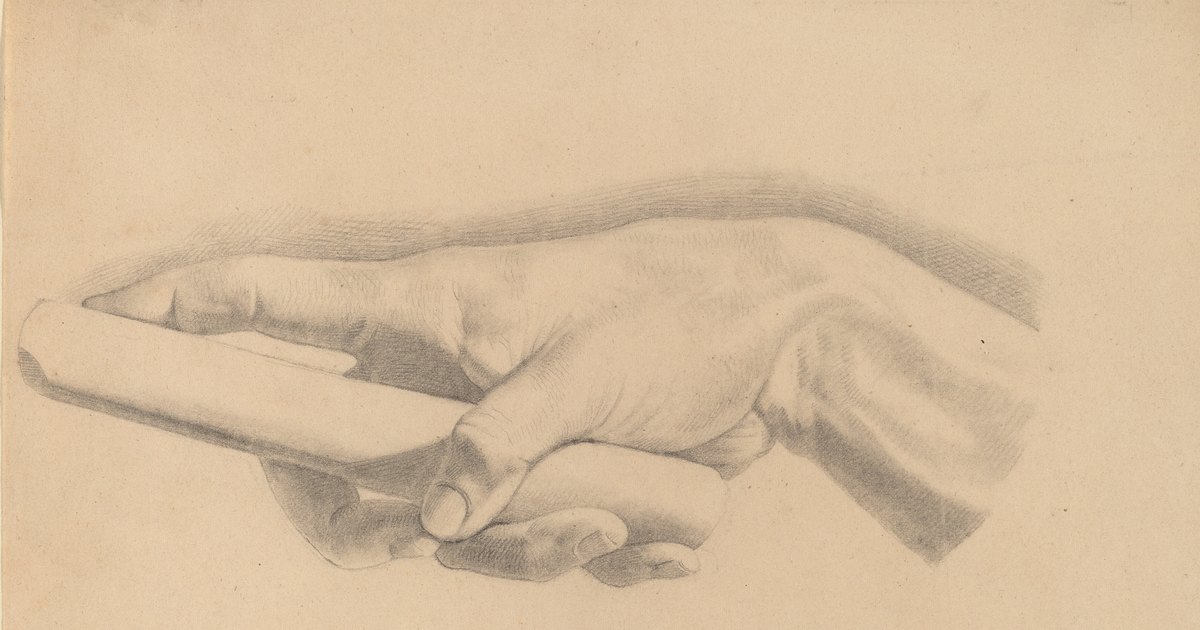
What trigger finger feels like
Trigger finger is when one finger catches, clicks, or gets stuck as you bend or straighten it. Many of my patients in Abu Dhabi tell me the same story. The finger is stiff and sore in the morning. It clicks when they open the hand. Sometimes it locks bent. Then they have to pull it straight with the other hand. That is uncomfortable, and it can be alarming the first time.
There is often a small tender lump in the palm, right at the base of the finger. The thumb can be affected too. It can happen in more than one finger.
Why it happens
Each finger is bent by a cord called a tendon. That tendon runs through a snug tunnel in your palm. Think of a shoelace through an eyelet. If the tendon or the tunnel gets swollen, it no longer slides smoothly. It has to squeeze through. That squeeze is the click you feel, and when it will not pass at all, the finger locks.
The NHS says it is not always known what causes trigger finger, and that sometimes it follows an injury. It is more common in people who have diabetes, and in people who do a lot of gripping. If you have diabetes and a finger that has started clicking, it is worth having it looked at.
Could this be trigger finger?
A few quick questions about your hand. This is only to help you decide whether to get it checked. It is not a diagnosis.
The questions in this self-check
- Does one of your fingers or your thumb click or catch when you bend or straighten it?
- No
- Sometimes
- Most days
- Is the finger stiffest first thing in the morning?
- No
- Sometimes
- Often
- Is there a tender lump in your palm, at the base of that finger?
- No
- Yes
- Do you do a lot of gripping at work or at home, such as tools, driving, or lifting?
- No
- Some
- A lot
- Have you been told you have diabetes?
- No
- Yes
- Does the finger ever lock bent, so you have to pull it straight with your other hand?
- No
- Sometimes
- Often, or it is stuck now
If your symptoms carry on or get worse, please see a doctor.
What helps
Trigger finger can sometimes settle on its own, so not every finger needs treatment. Resting the hand from hard gripping helps. Simple painkillers ease the soreness. Wearing a small splint at night, to keep the finger straight while you sleep, stops it locking overnight and gives the tendon a rest.
If it is not settling, a steroid injection into the tunnel usually calms the swelling and gets the finger moving again. This is the treatment I use most often, and I guide it with an ultrasound scan so the medicine goes into the right space rather than near it. Many people need nothing more than that.
If the finger keeps locking after injections, a small operation can help. It opens the tight mouth of the tunnel, so the tendon slides freely again. It is done through a small cut in the palm. You stay awake, and the hand is made numb first. The NHS says surgery is only done when other treatments have not worked. That is how I practise too.
When to get it checked
Please get your hand looked at if a finger is locking, if it is stiff and sore each morning, or if you are having to straighten it with your other hand. Get it seen sooner if the finger is stuck and will not straighten. A finger left locked for a long time can go stiff on its own. That is harder to put right.
Most trigger fingers are simple to treat once we know what we are dealing with, and treating them early keeps things simple.
Where I see patients in Abu Dhabi
I see patients at Burjeel Day Surgery Center, Al Reem Island, Gate Tower, near Shams Boutik, on Sundays and Mondays, and at Burjeel Day Surgery Center, Al Shahama, Deerfields Mall, on Tuesdays and Thursdays.
Dr. Mohamad Louay Jabban is a Consultant Orthopaedic and Upper Limb Surgeon with over 35 years of experience in Abu Dhabi and the United Kingdom. He holds the FRCS qualification from the Royal College of Physicians and Surgeons of Glasgow and a Diploma of Expert Musculoskeletal Ultrasound.
Sources
NHS, Trigger finger, nhs.uk, retrieved August 2026.